European Court of Human Rights agrees to examine application concerning ill-treatment at Barcelona’s Immigration Detention Centre
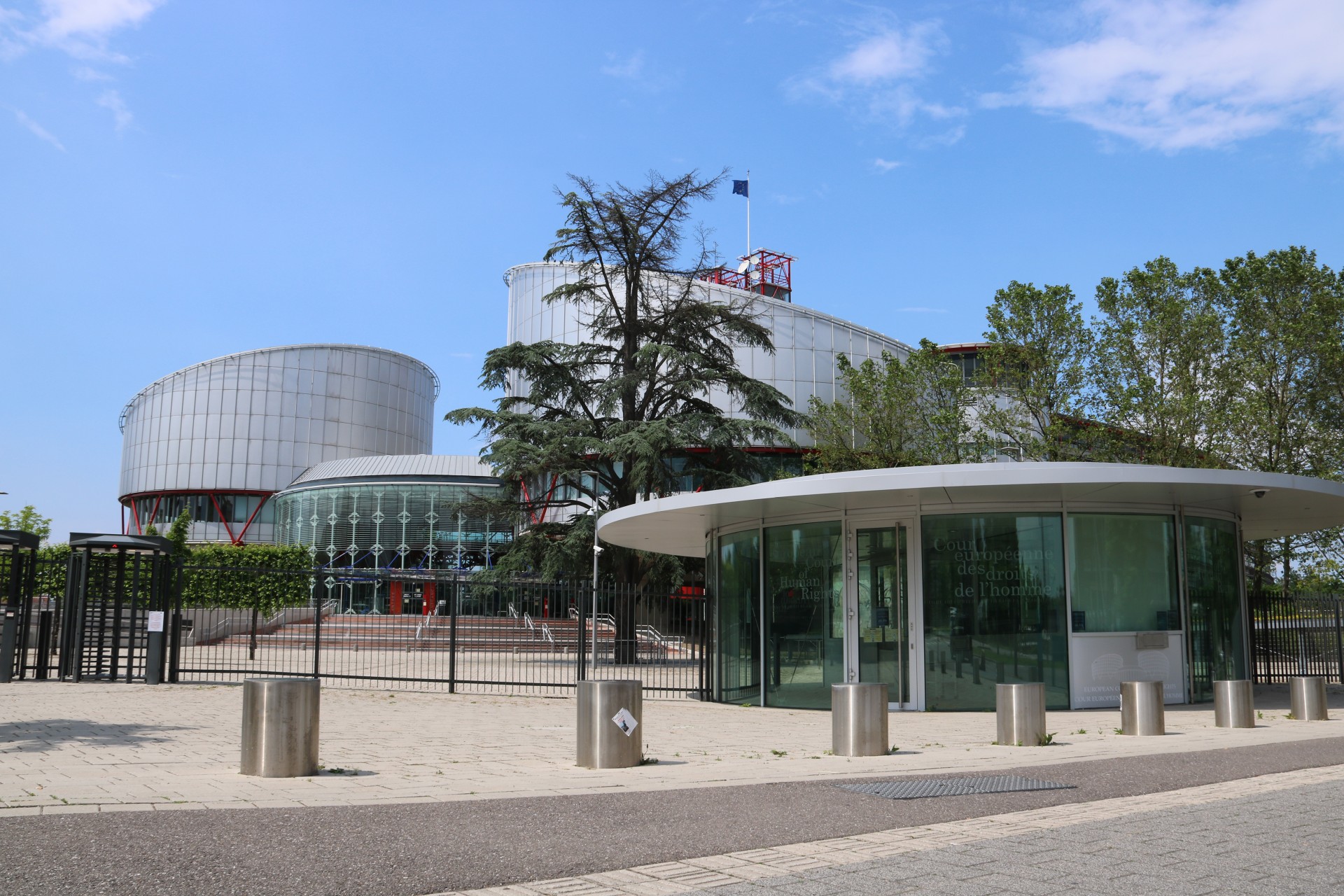
- This is the first time that the Strasbourg Court has agreed to examine an application concerning events that took place at an Immigration Detention Centre in Spain.
Barcelona, 21 July 2026. – The European Court of Human Rights (ECtHR) has communicated to the Spanish Government an application lodged by Irídia on behalf of the victim concerning the assaults and ill-treatment reported by an individual while being held at Barcelona’s Immigration Detention Centre (CIE), as well as the Spanish authorities’ failure to conduct an effective investigation into the events.
The communication of the application means that the Strasbourg Court will examine the case and that the Spanish State must now provide explanations regarding the shortcomings in the investigation of this particular case and, more broadly, the protocols in place to prevent ill-treatment in immigration detention centres.
The application argues that the Spanish authorities failed to conduct an effective investigation following a complaint of torture. Among other shortcomings, the detention centre failed to properly preserve the CCTV footage, meaning that it could not be recovered when the judge ordered its disclosure. Furthermore, the complainant was expelled from the country before he was able to give evidence about the events.
The complainant was subsequently able to return to Spain and give evidence before the authorities, at which point he fully reaffirmed his complaint. He also underwent a forensic medical examination, which confirmed both the existence of erythema consistent with the reported assault and psychological after-effects linked to the events. Despite this evidence, the Spanish courts refused to bring the case to trial.
For Irídia, the ECtHR’s decision is particularly significant because it will allow the Court to examine the State’s obligations to protect people deprived of their liberty and to investigate any allegation of torture or ill-treatment rigorously, independently and effectively.
This obligation is particularly important in immigration detention centres, where people are deprived of their liberty, placed in a situation of particular vulnerability and held under the direct custody of the State.
As Irídia has been denouncing for many years, immigration detention centres are spaces where rights and legal safeguards are effectively suspended. This is not only because they involve the deprivation of liberty on strictly administrative grounds linked to public border-control policies, but also because they lack genuine and effective mechanisms for preventing torture. In recent years, Irídia has identified numerous structural obstacles in the process of reporting ill-treatment at Barcelona’s Immigration Detention Centre, preventing detainees from accessing justice on equal terms with the rest of the population.
Irídia hopes that the proceedings before the Strasbourg Court will help strengthen the protection of fundamental rights in immigration detention centres, improve the mechanisms for preventing and investigating ill-treatment, and ensure that situations such as the one reported do not go unpunished.